Data Centers Aren't Just Buildings—they Impact Our Lives
Environmental Concerns
The hidden cost of cooling the cloud
High electricity consumption strains local power grids
Data centers already account for a significant and growing share of global power use. In our region, this risks higher BGE bills for everyday residents and businesses if the full infrastructure costs aren't properly shifted to the developer.
Water use for cooling can affect local water supply
Facilities of this size can use up to five million gallons of water per day for cooling. That's a huge strain on local resources in an area that values its agricultural heritage.
Constant Noise Pollution
Thousands of industrial cooling fans create a relentless hum, while backup generators (often diesel or natural gas) test and run periodically, adding louder disturbances that carry across neighborhoods and farms. Additionally, these data centers conduct periodic off grid testing, which means massive and extremely loud generators need to be run for substantial amounts of time to ensure the data center can be operational should critical power failures arise.
Traffic
More trucks. More congestion.
Truck deliveries for construction and equipment maintenance increase road congestion
Data center construction generates significant, temporary surges in traffic, including heavy equipment, materials delivery, and a high volume of construction worker commuting, which often causes congestion during and outside of typical peak hours.
Zoning & Community Compatibility
Once it starts, it doesn't stop.
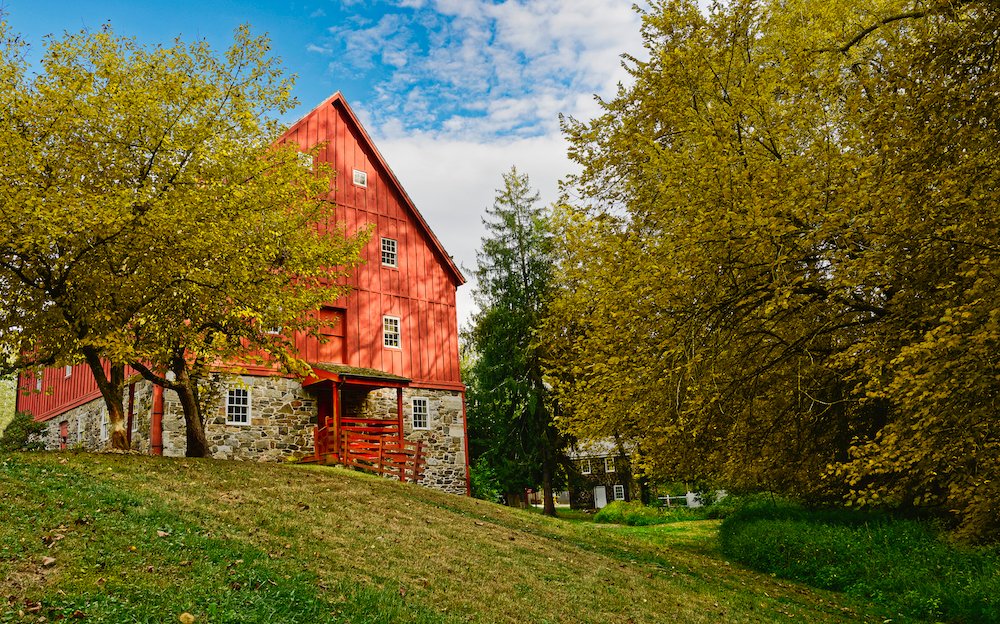
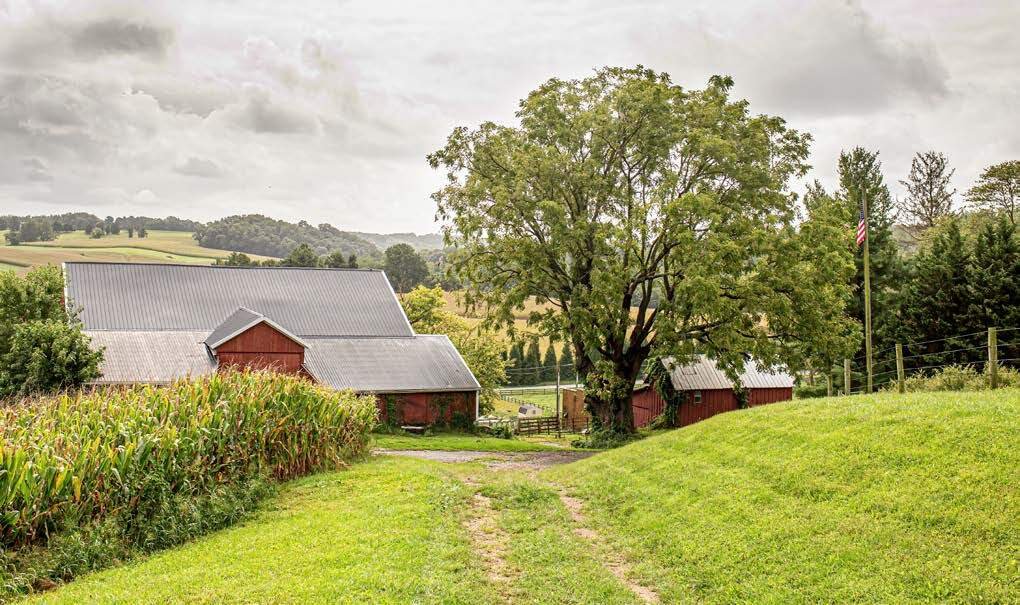
Rezoning could accelerate the loss of productive farmland and other valuable land sights
Rezoning for data center development could accelerate the loss of productive farmland and other valuable land sites. Once one area is rezoned, it sets a precedent that makes additional data center approvals more likely, putting even more land at risk. This could trigger a chain reaction of industrial development, gradually transforming rural or open spaces into data center clusters.
It's going to bring in revenue, right?
It's often assumed that data centers will bring significant revenue to local or state governments through property, sales, and use taxes. While they do contribute taxes, many states and municipalities offer substantial tax incentives or abatements to attract these facilities, which can substantially reduce the expected revenue. As a result, the financial benefits may be much smaller than projected, effectively shifting the cost of incentives onto local taxpayers.
Community Impact
Few jobs. Big burdens.
Strain on local services and utilities
Data centers already account for a significant and growing share of global power use. In our region, this risks higher BGE bills for everyday residents and businesses if the full infrastructure costs aren't properly shifted to the developer.
Limited direct employment—often few long-term jobs created
During the onset of the construction, there could potentially be employment opportunities, but what happens when the data center is up an running. These campuses employ very few permanent workers — often just 50–100 people for an enormous footprint. No sandwich shops, no coffee shops, no real economic ripple effect for the community. The big profits flow to out-of-area shareholders, while the burdens stay here.
Potential water shortages
Data centers use "swamp coolers" that evaporate large amounts of water to keep servers cool, consuming immense volumes that compete with local residential and agricultural needs. Heavy, consistent extraction from local aquifers causes water tables to drop, potentially forcing homeowners to drill new, deeper wells at high personal cost.
⚠ Don't be fooled
Don't be fooled by false prophets
Council President Patrick Vincenti helped bring forward a presentation from the Maryland Data Center Alliance — industry "gurus" who focused almost exclusively on the supposed economic upsides while glossing over the very real downsides. This is an attempt to soften the ground for these projects without balanced discussion of the risks. Data centers are not allowed anywhere in Harford County right now and it should remain this way, this premature cheerleading for something that isn't even permitted under current zoning should remain as such.
— The Proposals
What Company Is Proposing in Our Area
Coming Soon
Summary of current proposals, addresses, or zoning requests
We are gathering verified information about active and pending data center proposals in Harford County. Check back soon for details.
Coming Soon
Map of proposed sites
Visual map with overlays for schools, neighborhoods, and traffic patterns to help you understand where these projects could land.
— Your Voice
Make Your Voice Heard
Sign the Petition
Show our County Council the strength of community opposition. Link coming soon.
I (Industrial) and BP (Business Park) districts are generally where data centers are allowed.
Conditional Use: Some zones may require conditional use approval from the Board of Appeals or Planning Commission.
Conditional Use Requirements – Harford County Code § 267-41 (Conditional Uses)
Projects may be denied if they:
Create excessive noise, traffic, or environmental impact
Do not meet site plan requirements
Are incompatible with surrounding land use
Special Performance Standards – Harford County Code § 267-68 to 267-71
Addresses setbacks, landscaping, stormwater, and lighting
If a data center cannot meet these standards, approval may be denied.
Electricity / Utility Restrictions
Harford County does not prohibit energy-intensive uses, but utility capacity can become a de facto restriction. A project may be denied if the local grid cannot support it.